Sub-Zero Predators

0 Shares
0
0
0

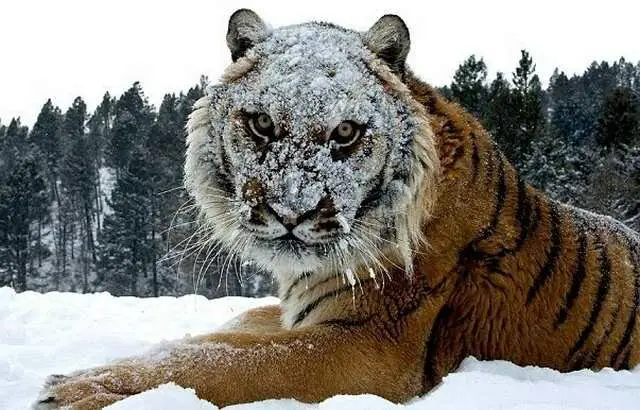
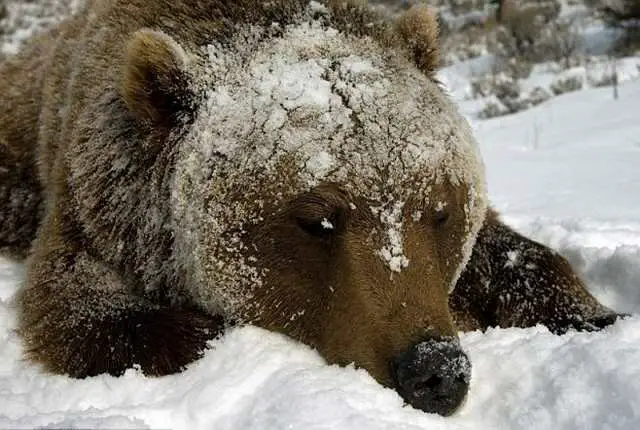
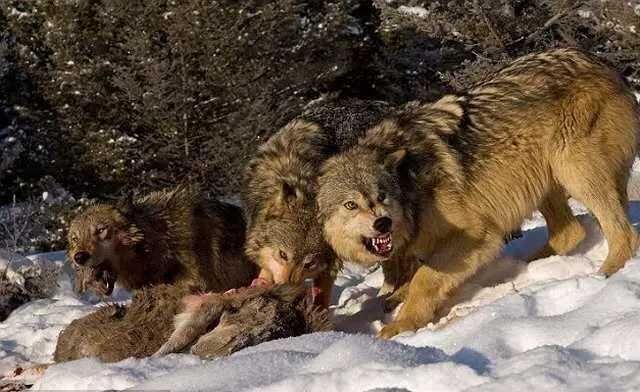
Predators, the diet is ranked by natural scientists were free to be said one of the most successful creatures on the planet. However, such a division can not only be done by way of food, but also by the degree of adaptation to climatic conditions in certain parts of the world. We all know very well that predators mark this modern way of life of people and managed to survive the main and top predator … Man. Not these animals out of pure randomness managed to survive the harsh conditions. Generations as they grow and adapt to climate change so that it is not strange to see a lion in a winter landscape, in search for prey.

0 Shares
You May Also Like

Few Of The Bees

Bees solve complex mathematical problems faster than computers - the conclusion made by British scientists from Royal Holloway College, part of the University of London.

French Bulldog… Big heart in small package

The French bulldog is a small companion breed of dog, related to the English bulldog and American bulldog. The name suggests France as the origin of the breed; however, Americans and British breeders may have played a larger role in the breed's development.

13 Very Expensive Animals

There are a lot of people who really love animals. My love show and prove in many different ways. One way is the large number of pets the same type and the separation of large amounts of money for their daily comfort and life.

Amazing Photos Of Chicks During Feeding

They are cute, they are funny, and they are just like human kids. These pictures show us the first week of life the chicks warbler, as well as their relationships with their parents. And you will see how these birds remind our children.

Beautiful Pictures Of Horses On The Shore

The horse is a hooved mammal, a subspecies of the family Equidae. The horse has evolved over the past 45 to 55 million years from a small multi-toed creature into the large, single-toed animal of today. Humans began to domesticate horses around 4000 BCE, and their domestication is believed to have been widespread by 3000 BCE.