Birth Of The Cicada

0 Shares
0
0
0

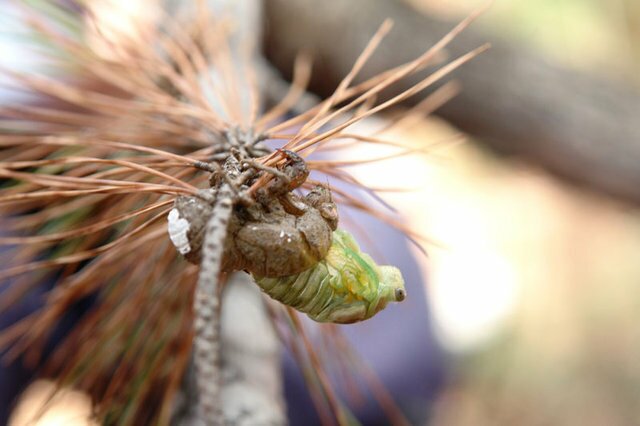
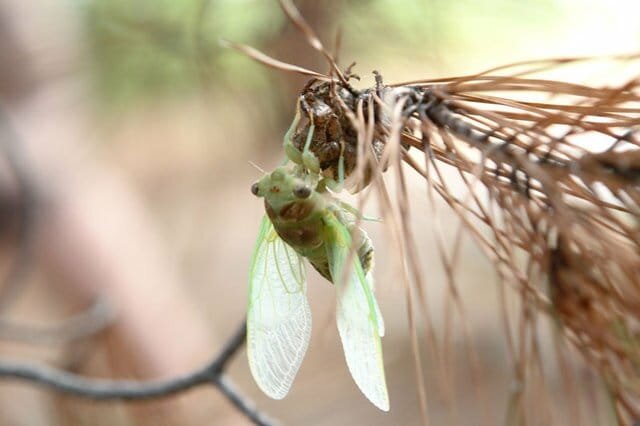
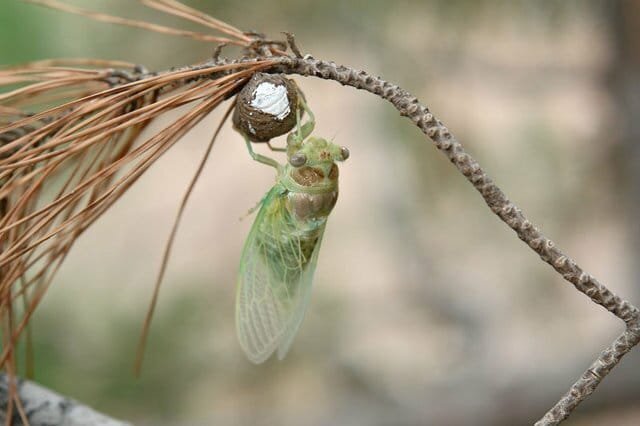
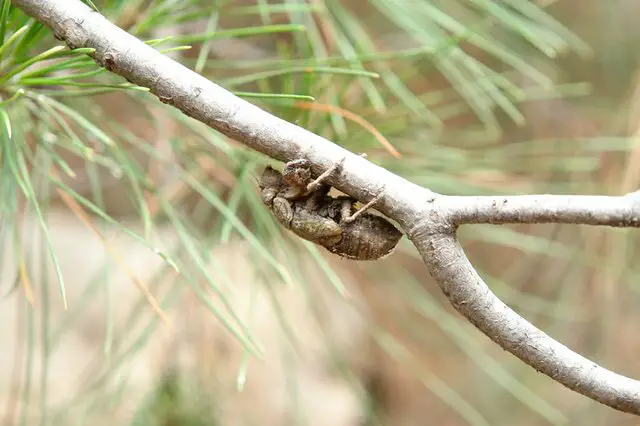
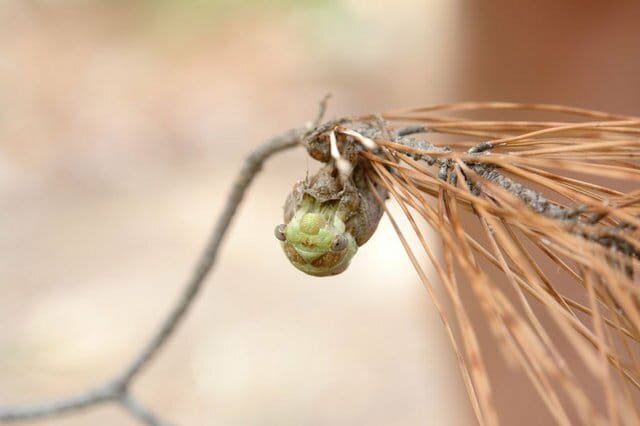
A cicada is an insect of the order Hemiptera, suborder Auchenorrhyncha, in the superfamily Cicadoidea, with large eyes wide apart on the head and usually transparent, well-veined wings. There are about 2,500 species of cicada around the world, and many remain unclassified. Cicadas live in temperate to tropical climates where they are among the most widely recognized of all insects, mainly due to their large size and remarkable acoustic talents. Cicadas are often colloquially called locusts, although they are unrelated to true locusts, which are a kind of grasshopper. They are also known as “jar flies” and, regionally, as July flies in the Southeastern United States, and as “heat bugs” in Canada and the mid-West. Cicadas are related to leafhoppers and spittlebugs. In parts of the southern Appalachian Mountains in the United States, they are known as “dry flies” because of the dry shell that they leave behind.

0 Shares
You May Also Like

Snub-Nosed Winter Monkeys

The generic name is derived from the name Roxellanae legendary beauties Roksolana, distinguished by a snub nose. The Golden Snub-nosed Monkey is an Old World monkey.

Top 10 Basic House Cat Breeds

We decided to start a cat? In the world of so many species, which sometimes do not know what to choose. Here's a brief guide to the most popular of them.

Simple Pictures Of House Rabbits

Rabbit represents the next cat and dog of one of your favorite pet to many animal lovers. Rabbits as pets are very grateful to hold first place for its peaceful nature and really looks lovely and calming. There are different variations of those short is said ordinary rabbits, to the long-haired and really unusual variations.

Woderful Underwater World

Seas and oceans are the only unexplored environment by man. Although the sea and the oceans take up most of the planet earth human technology still can not overcome the effect of the ocean.

Butterflies Like A Fairytale

A butterfly is a mainly day-flying insect of the order Lepidoptera, the butterflies and moths. Like other holometabolous insects, the butterfly's life cycle consists of four parts, egg, larva, pupa and adult. Most species are diurnal.