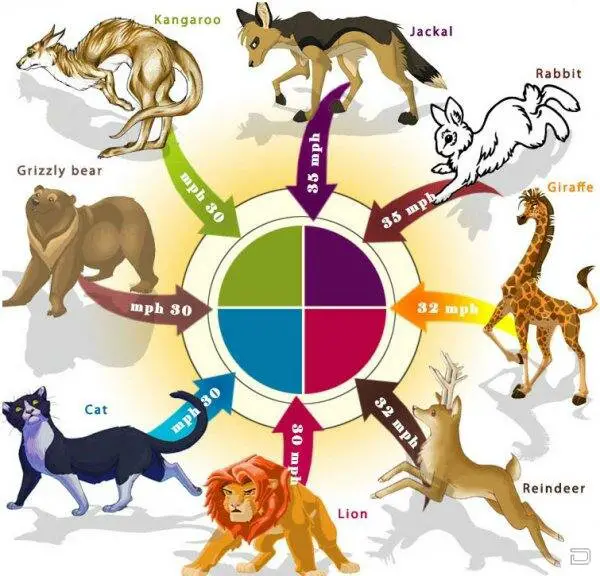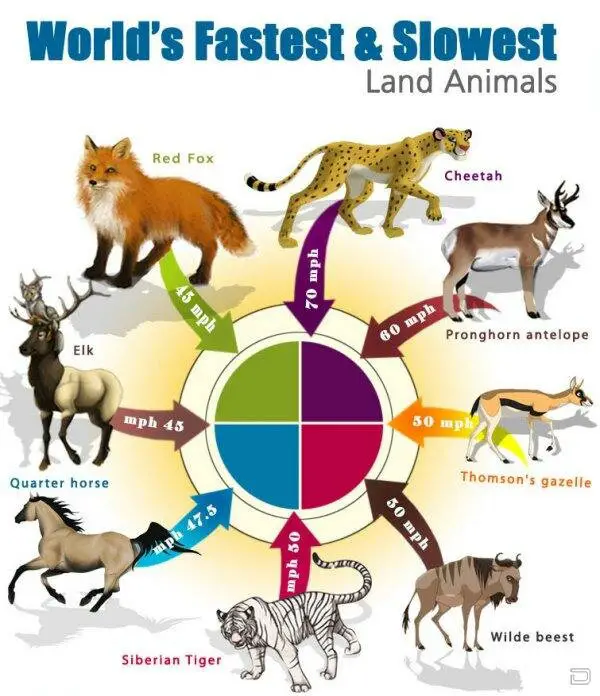
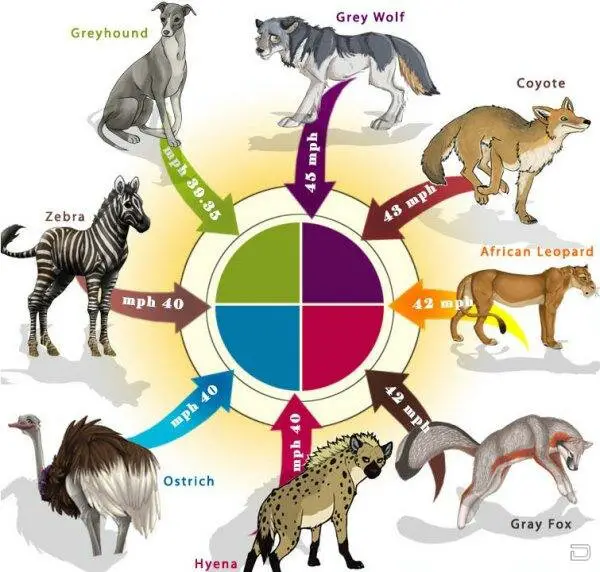
World’s Fastest & Slowest Land Animals Funny Infografic

0 Shares
0
0
0

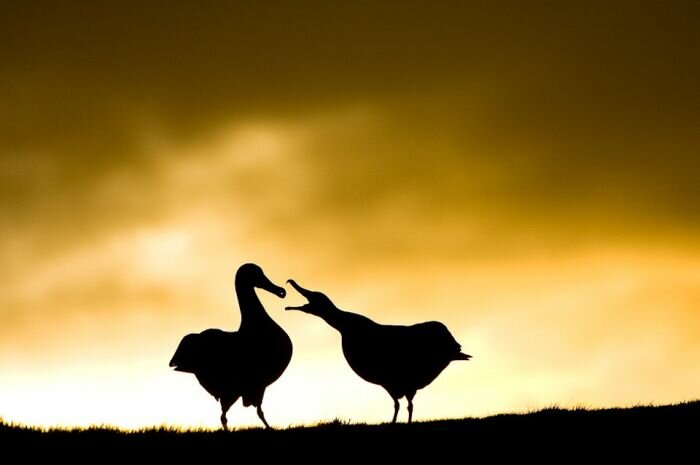
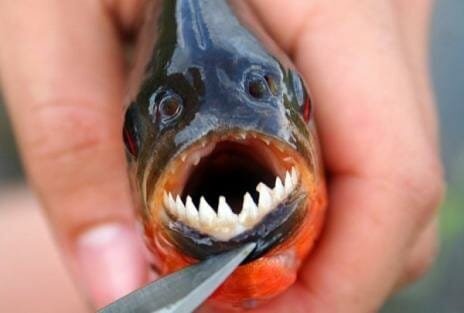
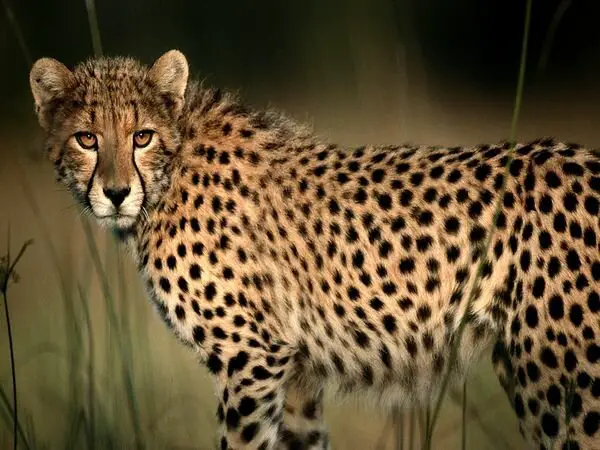
Back in elementary school we were taught about animals domestic and wild, fast, slow, big and small. The internet has a myriad of data but all this is second in command serious readers and lovers of animals. Here you can find something completely different and certainly more beautiful and more fun. Can also be used for your children. Enjoy the picturesque and entertaining information!

0 Shares
You May Also Like

Widelife Chipmunks and Squirre

Chipmunks are small striped squirrels native to North America and Asia. They are usually classed either as a single genus with three subgenera, or as three genera.Chipmunks are usually classified either as a single genus, Tamias, or as three genera: Tamias, containing the eastern chipmunk; Eutamias, containing the Siberian chipmunk; and Neotamias, containing the 23 remaining, mostly western, species.

Animal Couples Together

Animals care about each other, not less people. They are characterized by tenderness and caring, affection, and even a kind of love. This collection of animals from National Geographic will prove it to you. Animals are a major group of multicellular, eukaryotic organisms of the kingdom Animalia or Metazoa.

Snow Leopard

The snow leopard is a moderately large cat native to the mountain ranges of Central Asia. The classification of this species has been subject to change and its exact taxonomic position will not be resolved until further studies are conducted.

Maltese Pure Beauty

The Maltese is a small breed of dog in the toy group. The breed is descended from dogs originating in the Central Mediterranean Area. The breed name and origins are generally understood to derive from the Mediterranean island of Malta; however, the name is sometimes described with reference to the Adriatic island of Mljet, or a defunct Sicilian town called Melita.

Bald Parrot

The Bald Parrot or Orange-headed Parrot is a species of parrot in the family Psittacidae. It was formerly placed in the genus Pionopsitta, which is now monotypic.